
Why Toy Kitchens Matter for Child Development
In the world of childhood play, few toys are as iconic as the toy kitchen. These miniature culinary spaces do more than just entertain; they serve as critical tools for development. By fostering creativity and imagination, play kitchens allow children to experiment with roles, learn social skills, and enhance their cognitive abilities. As a parent or guardian, understanding the significance of these toys can help you provide enriching experiences for your child's growth.
Understanding the Role of Pretend Play in Learning
Pretend play is a pivotal aspect of child development, acting as a foundation for lifelong learning. When children engage in role-playing scenarios with toy kitchens, they explore various social roles, making sense of the world around them. This kind of play nurtures critical thinking skills as children learn to navigate different situations, from cooking meals to hosting dinner parties. Engaging in pretend play helps in the development of executive function skills, including planning, problem-solving, and self-regulation.
The Social and Emotional Benefits of Play Kitchens
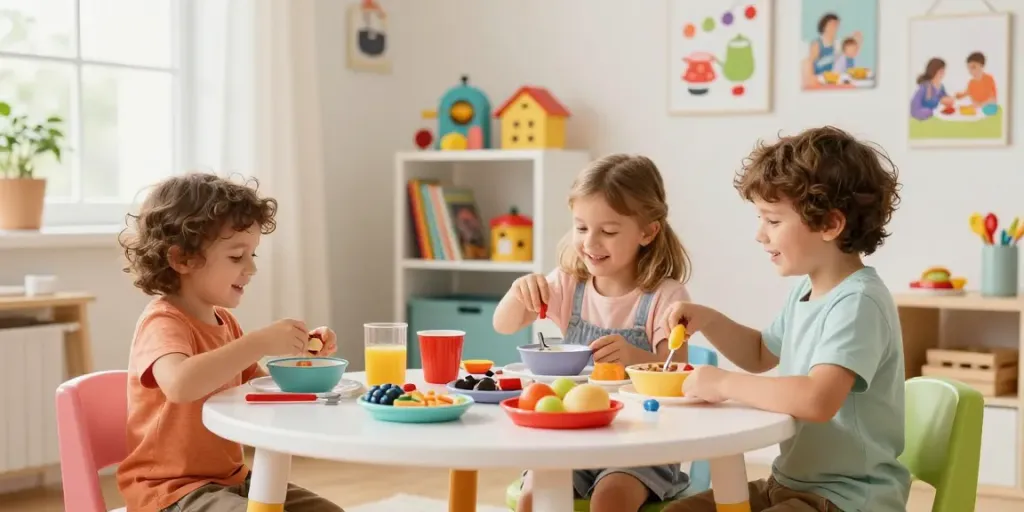
A toy kitchen is not just a source of fun; it's a social hub for kids. When children play together, they learn to communicate, negotiate, and cooperate with their peers. This collaborative play fosters empathy and social awareness, as they must consider the feelings and perspectives of others when interacting. Additionally, role-playing in a safe environment allows children to express their emotions, manage stress, and build resilience as they encounter various scenarios that mimic real-life challenges.
How Toy Kitchens Enhance Cognitive Skills
Toy kitchens offer a multitude of cognitive benefits for young learners. When children handle miniature pots, pans, and pretend food, they practice fine motor skills and hand-eye coordination. Engaging with different cooking tools and ingredients requires critical thinking and decision-making skills. Moreover, children often create narratives around their cooking adventures, which enhances their language and literacy skills as they communicate their ideas and stories through imaginative play.
Choosing the Right Toy Kitchen for Your Child
With a plethora of options available, selecting the ideal toy kitchen can be overwhelming for parents. It's essential to consider various factors such as age appropriateness, size, design, and materials. A well-chosen kitchen not only entertains but also supports your child's developmental needs.
Factors to Consider: Age, Size, and Design
When choosing a toy kitchen, always take your child's age into account. Younger children may benefit from simpler designs that focus on basic skills, while older kids may enjoy more intricate kitchens with various features. Size is also crucial; ensure that the kitchen fits well in your designated play area and is not overly bulky. Lastly, consider the design—choose vibrant colours and themes that appeal to your child's interests, as this can enhance their excitement and engagement during playtime.
Materials Matter: Wooden vs. Plastic Kitchens
When it comes to materials, both wooden and plastic kitchens have their pros and cons. Wooden kitchens are often praised for their durability and aesthetic appeal, providing a classic look that can blend seamlessly into your home decor. They might also encourage more imaginative play given their craftsmanship. On the other hand, plastic kitchens are generally lighter, often feature built-in sounds and lights, and are easier to clean. Ultimately, your choice should reflect your child's play style and your family's values regarding sustainability and safety.
Top Brands and Recommendations for 2026
As we look into 2026, several brands stand out in the toy kitchen market. Melissa & Doug continues to be a favourite, known for their engaging and durable products that inspire creativity. Tiny Land offers beautifully crafted wooden kitchens that make role play rich and rewarding. Other reputable brands such as Little Tikes and Fisher-Price also provide high-quality options worth considering, ensuring that you find a kitchen that meets your child's imaginative play needs.
Setting Up a Play Kitchen Space
Creating an inviting space for your child's toy kitchen is essential for maximising playtime. A well-designed environment encourages engagement and invites creativity. Consider the layout, the position of your kitchen, and the surrounding décor to foster a stimulating play area.
Creating an Inviting Play Area at Home
To ensure your child's play kitchen is inviting, dedicate a specific area in your home for cooking adventures. This space could be situated in a playroom, a corner of the living room, or even outdoors on sunny days. Ensure the area is safe and accessible, with ample room for your child to move around freely while they embark on culinary quests.
Incorporating Storage Solutions for Play Food and Toys
Efficient storage solutions can transform a chaotic play area into an organised one. Use baskets, bins, or shelves to store play food and utensils, making it easy for your child to access their toys while also teaching them about tidiness and responsibility. Labeling storage can further enhance your child's reading skills and understanding of organisation.
Designing an Engaging Environment for Imaginative Play
The atmosphere you create is vital for imaginative play. Consider incorporating elements that stimulate creativity, such as artwork or décor related to cooking. Encourage children to use their imaginations by adding simple props—like aprons and chef hats—that enhance their role-playing experience. Setting the scene can significantly increase their engagement and enjoyability while playing in their toy kitchen.
Engaging Activities with Toy Kitchens
Once you have the perfect toy kitchen setup, it's important to engage your child in fun activities that foster learning and enjoyment. There are myriad activities you can do together that will strengthen your bond and enhance their developmental benefits.
Fun Cooking Games to Play with Your Child
Cooking games are a fantastic way to combine fun and learning. You might start a “cooking challenge” where you and your child take turns preparing pretend meals using different ingredients. This not only hones their imagination but also encourages them to think about meal preparation and nutrition. You could also create a “restaurant” experience where your child serves meals to family members, promoting role-playing and social skills.
Using Toy Kitchens for Educational Purposes
Toy kitchens can also serve as educational tools that extend beyond imaginative play. Involve your child in activities that teach basic math through measuring ingredients or understanding concepts like time through cooking durations. You can also explore cultural aspects of cooking by introducing meals from different countries, enhancing their knowledge of global diversity.
Creative Themed Cooking Days to Inspire Interest
To spice up playtime, consider organising themed cooking days. Choose themes such as “Mexican Fiesta” or “Italian Night” and prepare pretend meals that fit the motif. This not only adds excitement to play but can also be an excellent opportunity for you and your child to discuss different cultures, ingredients, and culinary techniques, thereby enriching their learning experience.
Future Trends in Toy Kitchens for 2026
The toy kitchen market is evolving, incorporating innovative features that respond to the changing needs and preferences of today's children. As we move through 2026, it's fascinating to examine emerging trends that parents should keep an eye on.
Innovative Features and Technology in Play Kitchens
Modern toy kitchens are increasingly embracing technology, with features like interactive cooking sounds, LED lights, and even apps that allow for virtual cooking experiences. Some kitchens now include augmented reality elements, where children can see virtual cooking demonstrations through a tablet or smartphone. These advancements can enrich playtime, making it more educational and engaging.
Eco-Friendly Options: Sustainability in Toys
As awareness of environmental issues grows, many parents are seeking eco-friendly toys for their children. Look out for toy kitchens made from sustainable materials and free from harmful chemicals. Brands that prioritise sustainability are now emerging, offering play kitchens that are not only safe for children but also kinder to the planet.
What Parents Should Watch for in Upcoming Designs
When considering future toy kitchen models, keep an eye on trends that promote hands-on learning and cooperative play. Designs that foster collaboration among children will likely continue to rise in popularity. Additionally, kitchens that allow for easy assembly and storage will be more appealing to parents looking for convenience without compromising play quality.
What are the best toy kitchen brands for kids?
In 2026, popular brands such as Melissa & Doug, Tiny Land, and Little Tikes remain revered for their quality and creativity. They consistently receive high praise from parents and educators alike for producing kitchens that are durable, fun, and enriching for children.
How can a play kitchen benefit a child's development?
A toy kitchen supports a child’s development in numerous ways, from enhancing imaginative play and social skills to fostering cognitive abilities and fine motor skills. It encourages creativity and role play, allowing children to explore and experiment.
What are popular features in modern toy kitchens?
Modern toy kitchens often boast interactive elements such as realistic sounds, lights, and even themed accessories. Many also focus on sustainability, using eco-friendly materials and designs that encourage collaborative play amongst children.
How do toy kitchens foster social skills?
Playing with toy kitchens encourages children to collaborate, negotiate, and communicate with peers. As they role-play with others, they learn essential social skills that are vital for effective interaction in various settings.
What age is appropriate for a toy kitchen?
Toy kitchens are typically suitable for children aged 2 and older, with designs that cater to different developmental stages. For younger children, simpler designs that focus on exploration are ideal, while older kids can benefit from more complex kitchens that encourage detailed play scenarios.